
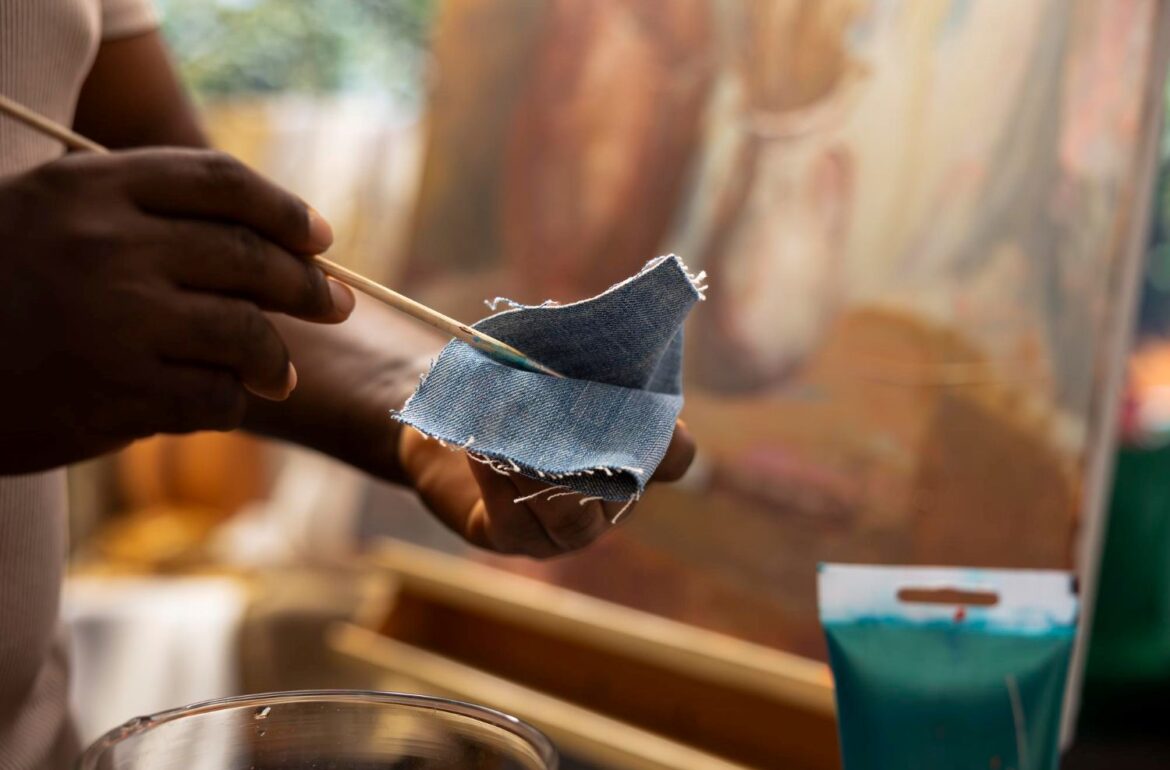
Essential Tips for Maintaining and Repairing Your Artwork at Home
Artwork is more than decoration, it carries emotion, culture, history, and beauty. Whether you purchased your pieces from Tikkabay or received them as gifts, proper maintenance ensures they stay vibrant and valuable for many years.
Just like any cherished possession, your artwork needs regular care. With gentle cleaning, smart handling, and timely repairs, you can preserve the life and beauty of every painting, sculpture, or handcrafted piece you own.
Below is a friendly and comprehensive guide to help you maintain and repair your artwork at home, and what to keep in mind when you need to move them to a new space.
1. Dust Regularly and Gently
Dust is one of the most common causes of damage to artworks. It settles quietly and can dull the colors or scratch the surface if not removed properly.
How to Dust Safely
-
Use a soft, dry microfiber cloth or feather duster.
-
Gently brush away dust, never scrub.
-
Do not spray water or household cleaners directly on artworks.
-
For textured paintings, use a soft brush to reach corners.
Regular dusting once or twice a month can keep your artwork looking fresh without much effort.
2. Keep Artwork Away from Sunlight
Direct sunlight is the number one enemy of color-rich art.
Why Avoid Sunlight?
-
UV rays can cause fading and discoloration.
-
Heat from the sun can warp wood, canvas, or paper.
-
Prolonged exposure weakens adhesive and framing materials.
Tip:
Display your artwork in shaded walls or areas with soft, indirect lighting.
3. Maintain Proper Humidity and Temperature
Artwork thrives in stable environments. Too much humidity can cause mold, while low humidity can make paint crack. Try to keep your home climate consistent, especially if you own traditional or antique pieces.
4. Clean Glass Frames Carefully
For artworks behind glass:
-
Clean the glass only from the outside.
-
Spray cleaner on your cloth, not on the glass.
-
Hold the frame firmly while cleaning to avoid dropping it.
-
Check for moisture around the edges.
This helps avoid liquid seeping into the artwork.
5. Handle Your Artwork with Clean Hands
Our hands naturally have oils that can transfer onto artwork surfaces.
Good Practices
-
Wash and dry your hands before touching any artwork.
-
If possible, use cotton gloves for delicate or expensive pieces.
-
Always carry art with both hands, never hold by the frame edges alone.
Proper handling prevents accidental stains or frame damage.
6. Repair Minor Damages Early
Small issues can grow into bigger problems if left untreated.
Common Issues to Look Out For
-
Loose frames
-
Wobbly hanging hooks
-
Small canvas dents
-
Dust trapped behind frames
Simple Home Repairs
-
Tighten screws on frames.
-
Replace weak hooks with stronger wall anchors.
-
For small canvas dents, lightly mist the back of the canvas with water and let it tighten naturally as it dries.
If the damage looks serious, it’s best to consult a professional art restorer.
7. Store Art Properly When Not in Use
Sometimes you may want to rotate your art displays or keep certain pieces for later use.
How to Store Artwork Safely
-
Wrap pieces in acid-free paper or bubble wrap.
-
Store upright, not flat, to avoid pressure damage.
-
Keep away from damp walls, heat sources, and floors.
-
Use sturdy storage boxes.
Proper storage preserves the artwork’s condition even when not displayed.
8. When You Need to Relocate Your Art (Sub-heading)
Relocation may not be your main concern today, but it’s good to know the basics for future moves.
Quick Tips for Moving Artwork
-
Always wrap artwork in glassine or acid-free paper before bubble wrap.
-
Use corner protectors for framed pieces.
-
Box each artwork separately, avoid stacking.
-
Label boxes as FRAGILE and KEEP UPRIGHT.
-
Transport inside a cool, dry vehicle, not in a hot trunk.
These simple steps can prevent accidental scratches, dents, or fading during a move.
9. Give Your Artwork Space to Shine
Crowding too many pieces on one wall can lead to bumps and scratches.
Better Display Practices
-
Hang artworks with enough breathing space.
-
Use proper hanging tools like wall anchors, hooks, or rail systems.
Good spacing not only protects your art—it also enhances the beauty of your home décor.
Conclusion
Your artwork is a part of your story, and with proper care, it can stay beautiful for decades. Regular maintenance, gentle cleaning, careful handling, and timely repairs will preserve its elegance and value.
At Tikkabay, we believe every piece deserves love and protection, just as much as it deserves admiration. If you ever need more tips or are looking to expand your art collection, Tikkabay is always ready to inspire your space with creativity.